
Where should a porta potty go on a job site or event site?
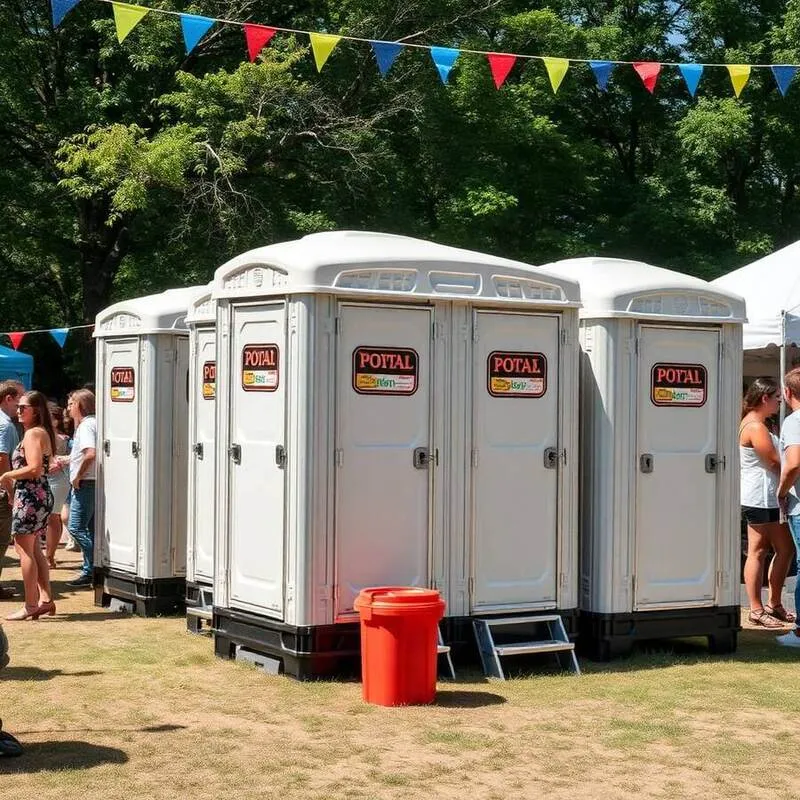
Pick flat, stable ground first. ADA Standards section 302.1 calls for surfaces that are stable, firm and slip resistant, which rules out loose gravel or soft turf that shifts under 92 inches of standing unit. A standard unit runs about 44 by 48 inches on the ground, so give it a clear pad plus room for the service truck to reach it. If you're placing units for a crew, our porta potty placement rules start with keeping the path to each unit unobstructed, matching the same 36 inch clearance ADA Standards section 403.5.1 requires for accessible routes. For standard porta potty rental on a Columbus build site, keep units close enough that workers actually use them but far enough from the entrance for a clean sightline. Event organizers doing a wedding restroom rental or a festival restroom rental should also think about wind direction and guest flow, not just square footage. If you need an ADA accessible porta potty, remember ADA Standards section 304.3.1 requires a 60 inch turning circle inside or adjacent to the unit, and section 213.2 requires at least one accessible unit in any cluster, even a small one.
Does placement in Columbus require a permit?
Yes, if the unit sits in the public right-of-way. Columbus City Code Chapter 903 requires an occupancy permit for anything placed in a public street or alley for a construction-related purpose, issued through the Administrator of Infrastructure Management at the Department of Public Service, located at the Michael B. Coleman Government Center on North Front Street. The city's published guidance names dumpsters, PODs and crane lifts specifically; whether a portable toilet needs the same 903 permit isn't spelled out in what we've reviewed, so confirm with the city before you set units at the curb. This matters just as much for a dumpster placement permit as it does for a restroom pad; a dumpster placement permit cost isn't published by the city, and occupancy permits for dumpsters are generally capped at seven days unless a longer term gets approved in advance. If a unit or dumpster sits over a parking meter, expect the meter fee added on top. On private property, away from the street or alley, none of this applies, which is why most contractors keep construction site services staged on the lot itself. For a full breakdown of what triggers city review, see our porta potty permit requirements page.
How many units do you need for the site?
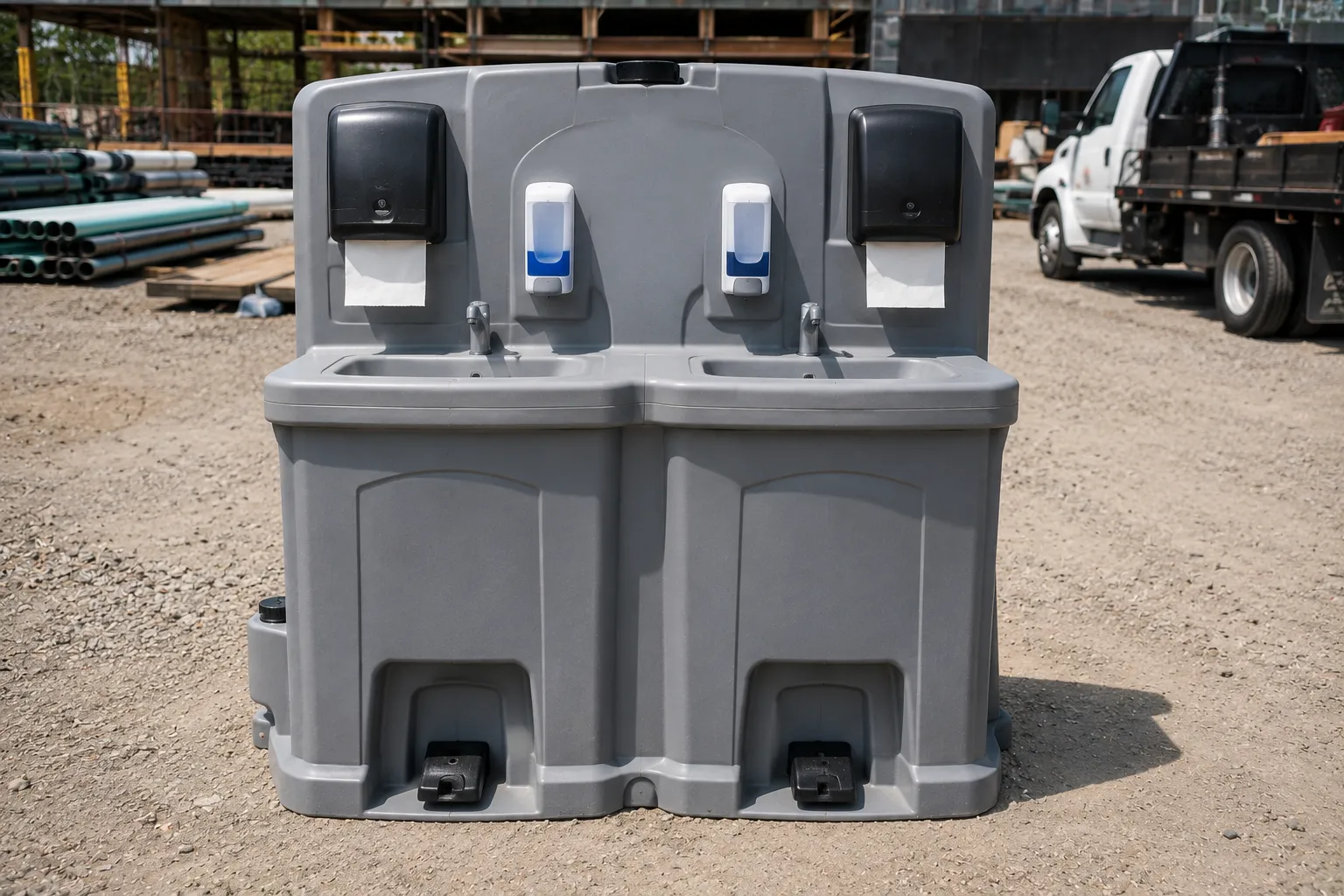
For construction crews, OSHA 1926.51(c) sets the ratio: one toilet facility for 20 workers or fewer, then one toilet seat and one urinal per 40 workers as the crew grows past 20, dropping to one per 50 once you hit 200 workers or more. That ratio drives everything else about layout. Our how many porta potties do I need guide walks through the math by crew size, and our OSHA portable toilet requirements page covers the full standard including OSHA 1926.51(a)(1), which requires an adequate supply of potable water at every place of employment. Agricultural sites follow a different rule: OSHA 1928.110 requires one facility per 20 hand-labor employees, reachable within a quarter mile walk, which matters for farm and agricultural restrooms spread across a large field. If your crew is applying paints, coatings, herbicides or insecticides, OSHA 1926.51(f)(1) requires washing facilities on top of toilets, not instead of them; 29 CFR 1910.141(d)(2) requires soap and towels or a hand-drying device at any washing station, since hand sanitizer alone doesn't satisfy it. See our handwashing station requirements page for the standalone list of what qualifies.
What surface and access does delivery actually need?
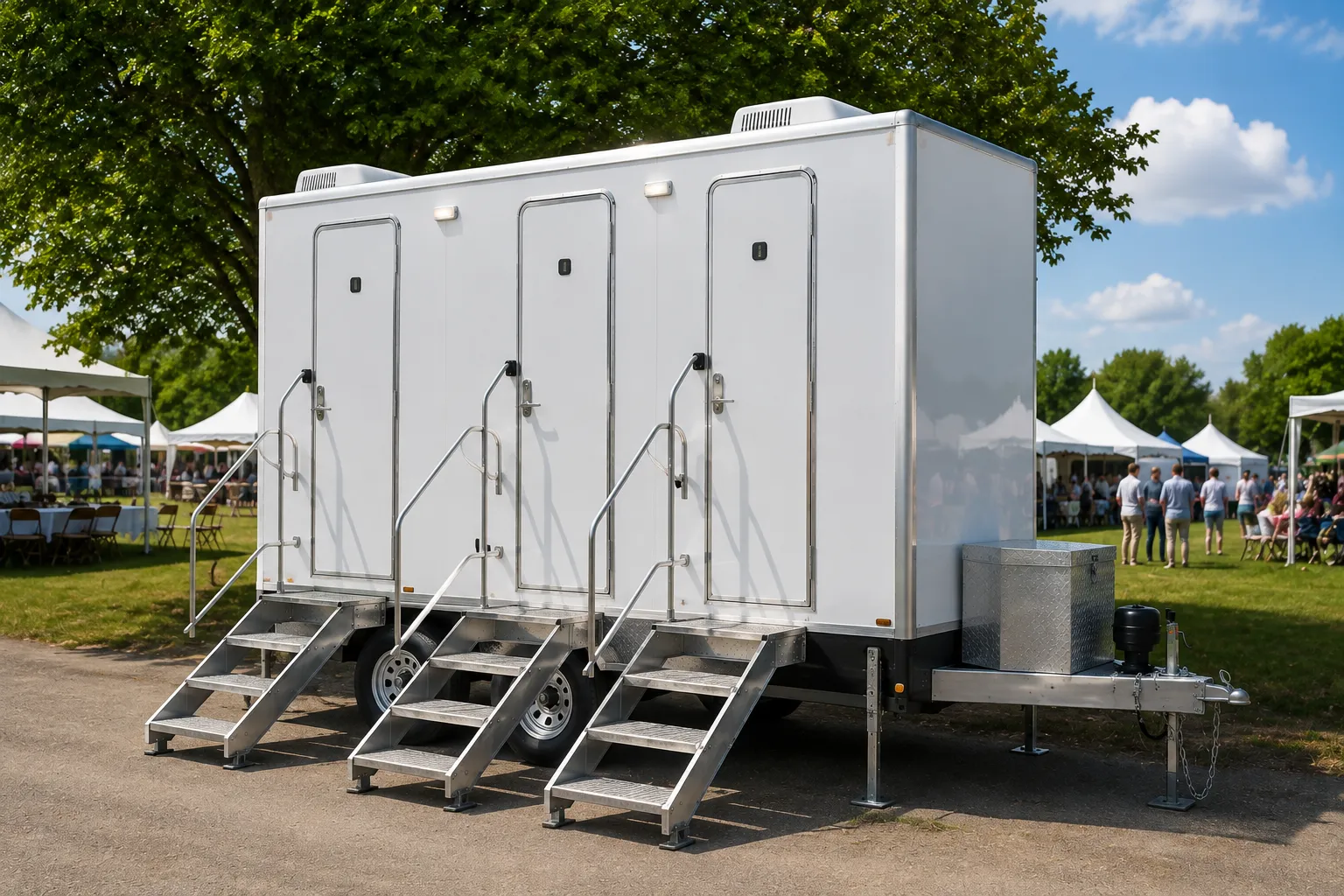
A service truck needs about 60 feet of straight clearance behind a roll-off for delivery, and while a portable toilet delivery is smaller, the same idea applies: keep the approach clear so the driver isn't backing across landscaping or parked cars. In Columbus winters, plan for the ground itself; average January lows sit at 22.6 F and the metro sees about 26.7 inches of snow a year, so a gravel or plywood pad keeps a unit from freezing into mud. Our porta potty in winter page covers cold-weather servicing in more depth. If you're staging a storage container rental or a mobile office trailer rental on the same lot, group the delivery zones together so one truck route serves everything, and if a trailer door gets damaged mid-project, mobile office trailer replacement doors are a separate repair conversation with your rental provider, not something to DIY on a rented unit. The same logic applies to a portable sink rental: if you're running an Ozark River unit and need Ozark River portable sink replacement parts, order through the manufacturer or your rental company rather than swapping in mismatched hardware.
Do I need a permit for a porta potty on my own driveway?
Generally no, if it stays fully on private property and off the street or alley. Chapter 903 targets right-of-way occupancy, not private lots. A home renovation porta potty placed in a driveway typically skips city review entirely.
Can I put a porta potty on the street in Columbus?
Only with a Chapter 903 occupancy permit from the Department of Public Service. Expect a limit of seven days unless a longer term is pre-approved, and an added meter fee if you're covering a parking space.
How far from the building should the unit sit?
Close enough for workers to reach it fast, but clear of doorways and fire routes. Keep at least 36 inches of unobstructed path per ADA Standards section 403.5.1 if anyone using it needs accessible access.
Does a septic pumping company handle placement too?
No, placement is a rental and site-planning question. A septic pumping service handles tank pumping on existing systems; even a placerville septic pumping service crew out west follows the same 3 to 5 year tank cycle Columbus properties do.
What if my event needs both restrooms and fencing?
Plan them together. A temporary fence rental around a restroom cluster controls access and queuing, especially useful for a concert restroom rental or county fair restrooms setup with heavy foot traffic.
Next step
Get a delivery date
Tell us the address, the dates and the headcount. We size the order and confirm the route.