
What Does Septic Tank Cleaning Actually Involve?
Cleaning means pumping out liquid and solid waste from the tank, then checking baffles and the outlet filter for wear. It is different from a quick pump-out that just removes liquid. A full septic pumping service empties the tank, breaks up the sludge layer, and inspects the tank walls for cracks. If your tank has an effluent filter, cleaning the septic tank filter is part of the job, since a clogged filter is one of the first things that sends wastewater back toward the house. Homeowners searching septic tank cleaning near me usually call after slow drains or a wet patch over the drain field, but by that point the tank is often already overdue. Citywide Porta Potty also handles the related mess: post-service, some customers need a holding tank rental while a drain field repair is underway, or a temporary fence rental to keep pets and kids off wet ground. If you are unsure whether you need cleaning or just pumping, the septic tank warning signs page walks through the difference.
How Often Does a Septic Tank Need Cleaning?
Most homes need cleaning every 3 to 5 years, but tank size and daily water use both shift that window. A 1,000 gallon tank serving a family of five fills faster than the same tank in a two-person household. If you are unsure how often septic tank cleaning applies to your setup, our how often to pump a septic tank guide breaks down the math by household size. Commercial kitchens are a different animal entirely: a grease interceptor gets pumped once fats, oils, grease and solids reach 25 percent of the liquid depth, which is a separate service from residential tank cleaning. See grease trap pumping if that is your situation. Homes on well water, homes with garbage disposals, and homes that run laundry constantly all tend toward the shorter end of that 3 to 5 year range. Columbus winters do not change the pumping schedule, but frozen ground can delay access, so scheduling ahead of a hard freeze matters more here than it does somewhere warmer.
How Much Does Septic Tank Cleaning Cost in Columbus?
| service | duration | typical range |
|---|---|---|
| septic pumping | day rate | $150 to $300 |
| septic pumping | weekend rate | $50 to $150 |
Cost septic tank cleaning depends on tank size, access, and how long it has been since the last service. A tank that has gone eight years without attention takes longer to clear than one on a normal 4 year cycle, and that shows up in the invoice. Septic tank cleaning prices in Columbus generally track the day rate above unless the job falls on a weekend, which carries its own rate. For a full cost breakdown by tank size, check septic tank pumping cost. If your project also needs a dumpster rental cost estimate for excavation debris, that is a separate line item worth planning for at the same time.
Do I Need a Permit for Septic Tank Cleaning in Columbus?
Routine cleaning and pumping do not typically trigger a right-of-way permit, since the work happens on private property, not in the street. Where permits do come up is on the hauler side: Ohio regulates septage haulers through the Ohio Department of Health sewage treatment system program, and haulers must register with the local health district where they perform work under Ohio Administrative Code Rule 3701-29-03. Land application of septage also requires a site permit from the local health district, valid for one year, and must follow federal land application rules. Columbus sits across Franklin, Delaware and Fairfield counties, so which local health district applies depends on where your property sits, and that detail is not fully pinned down here. If your project separately involves placing a dumpster or storage container in the public right-of-way, that is a different rule: Columbus City Code Chapter 903 requires an occupancy permit for that, issued through the Department of Public Service Right-of-Way Permit Section at the Michael B. Coleman Government Center. See dumpster permit requirements for that separate process, and confirm septage hauler registration directly with your county health district before scheduling.

Should I Combine Septic Cleaning With Other Site Services?
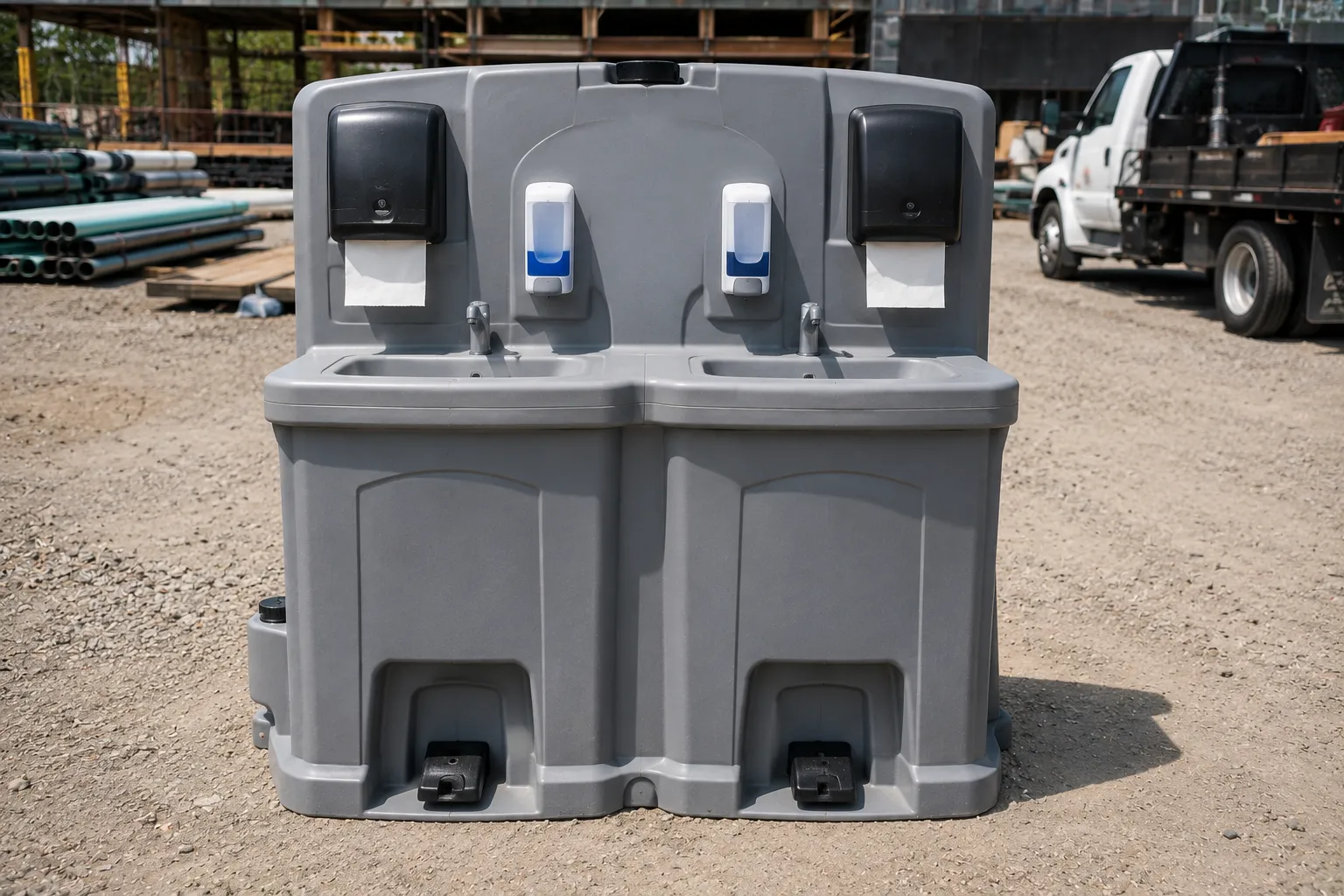
If you are already digging up a yard for a septic repair, it usually makes sense to line up the rest of the mess management at once. A construction dumpster rental handles excavated soil and old tank material, and a 10 yard dumpster rental is often enough for a single residential tank swap. If the crew will be on site more than a day, a standard porta potty rental or a portable toilet rental keeps workers off the homeowner's bathroom. Larger jobs near Grandview Heights, 5.0 miles west of Columbus, or Bexley, 6.2 miles southeast, sometimes need a handwashing station rental too, especially if OSHA 1926.51(a)(1) potable water requirements apply because the crew is working under a construction contract rather than a homeowner arrangement. For agricultural properties around Grove City, 13.6 miles southwest, or Westerville, 14.2 miles north, septic service often overlaps with farm and agricultural restrooms needs during harvest labor season, where OSHA 1928.110 field sanitation rules require potable water and toilets within a quarter mile walk of hand-labor employees.
How do I know if my septic tank needs cleaning now?
Slow drains, gurgling pipes, sewage odor near the drain field, or standing water over the tank are the clearest signs. If it has been more than 5 years since the last service, schedule it regardless of symptoms.
Can I clean a septic tank myself?
No. Tank cleaning requires pumping equipment and safe handling of sludge and gases. Hire a licensed hauler registered with the local health district, as required under Ohio Administrative Code Rule 3701-29-03.
What is the difference between septic pumping and septic cleaning?
Pumping removes liquid waste only. Cleaning removes both liquid and solid sludge and includes inspecting baffles and filters. Most Columbus homes need full cleaning every 3 to 5 years, not just pumping.
Does Citywide Porta Potty handle emergency septic backups?
Yes. Emergency service is available when a tank backs up unexpectedly. See emergency septic service for response details and scheduling.
What happens to septage after it is pumped?
Ohio requires septage haulers to dispose of or land-apply septage only at sites permitted by the local health district, following federal land application standards. Haulers must register separately for hauling and land application work.

Next step
Get a delivery date
Tell us the address, the dates and the headcount. We size the order and confirm the route.