
What Counts As A Septic Emergency?
Sewage backing into the house, a tank alarm going off, standing water over the drain field, or a strong odor near the tank lid: any of these means stop using water and call. A typical residential tank gets pumped every 3 to 5 years, and that interval depends on tank size and household size, so a sudden backup outside that window usually means a blockage or a failing baffle, not just a full tank. If you are not sure whether it is urgent, our septic pumping service team can walk you through it by phone. Waiting makes the job messier and more expensive, since solids that back up into the drain field can mean a repair on top of the pumping. Columbus households on well and septic systems, especially those farther out toward Delaware or Pickerington, tend to see this most often after heavy rain saturates the drain field. If your issue is a restaurant grease interceptor rather than a home tank, that is a different problem. A grease interceptor needs pumping once fats, oils, grease and solids reach 25 percent of the liquid depth, and our grease trap pumping crews handle that separately from residential septic calls.
How Fast Can You Get A Pump Truck To Me?
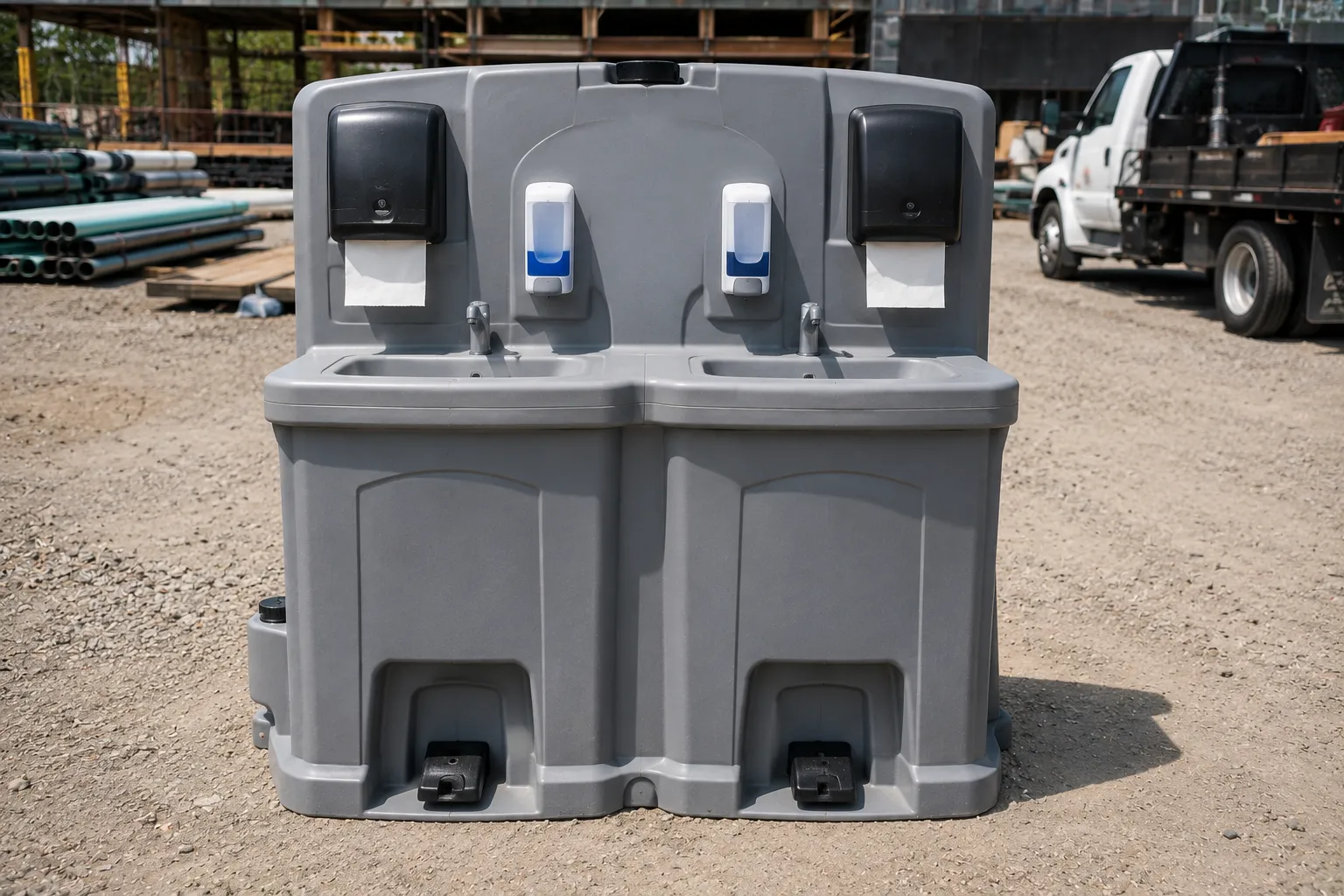
Response time depends on where you are and what's backed up, but most Columbus calls get a truck out the same day. A site close to downtown moves faster than one out past Grove City, which sits about 13.6 miles southwest, or Westerville, 14.2 miles north. We also run trucks toward Gahanna, 10.1 miles northeast, and Reynoldsburg, 16.8 miles east, on a regular basis, so those areas are not treated as outliers. If your property sits along a route we already service, that shortens the wait. Distance matters less than tank access: a truck needs a clear path to the cleanout, and blocked driveways or parked cars slow the job down more than mileage does. If your emergency is tied to a rental property with a holding tank instead of a buried septic system, ask about our holding tank rental options for the interim while repairs happen. For jobs that turn out to need more than a pump-out, our septic tank cleaning page covers what a full cleaning includes.
Is Emergency Septic Pumping Available 24 Hours In Columbus?
Yes, we run a 24 hour septic pumping service for genuine emergencies, meaning active backups, alarms, or sewage reaching the surface. Routine maintenance pumping is scheduled during normal hours, but a true emergency gets a call answered any time, day or night. If you're searching "emergency septic pumping service near me" at 2am with sewage in the basement, that is exactly the situation this line exists for. Ohio regulates septage haulers through the Ohio Department of Health sewage treatment system program, and haulers register with the local health district covering the job site, since Columbus spans Franklin, Delaware and Fairfield counties. That regulatory structure does not slow down an emergency response, but it does mean paperwork varies slightly depending on which side of the city you're on. Land application of septage also requires a permit from the relevant local health district, valid for one year, under Ohio Administrative Code Rule 3701-29-03. None of that shows up in your bill; it just means the hauler you call needs to be properly registered, and ours is.
What Happens If I Ignore A Septic Backup?
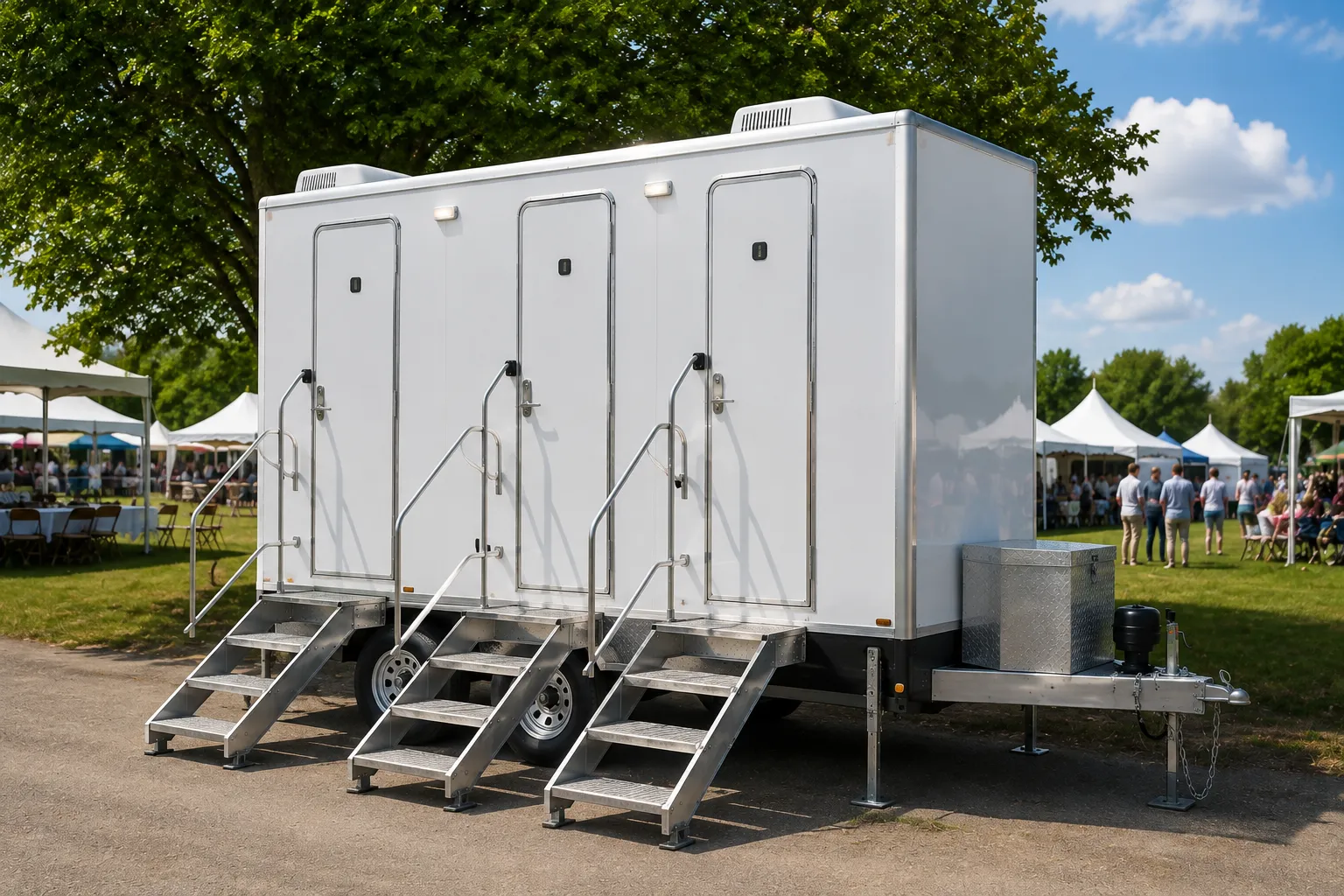
Ignoring it turns a pump-out into a repair job, and sometimes a repair job into a drain field replacement. A saturated or clogged drain field can take weeks to dry out even after the tank is pumped, and in the meantime wastewater has nowhere to go. Homes near Bexley, 6.2 miles southeast of downtown Columbus, and Upper Arlington, 6.9 miles northwest, sit on similar clay-heavy soils that drain slowly after Columbus's average 39.31 inches of annual precipitation, so backups here can take longer to clear than in sandier soil. For a 24 hour septic tank cleaning near me situation mid-renovation with the existing bathroom offline, a home renovation porta potty or a portable restroom rental keeps the household functional while the septic crew works. Watch for warning signs before it becomes an emergency: our septic tank warning signs page lists what to check, and how often to pump a septic tank explains the maintenance interval in more detail. Knowing the cost ahead of time also helps; see septic tank pumping cost for a fuller breakdown than the emergency-rate figures above.
How much does emergency septic pumping cost in Columbus?
A standard septic pump-out runs 150 to 300 dollars for a day-rate visit, with a lighter weekend rate between 50 and 150 dollars for smaller jobs. Emergency calls outside normal hours may run higher depending on timing and access. Get specifics through request a quote.
Do you offer emergency septic service outside Ohio, like Texas or California?
No. Citywide Porta Potty serves Columbus, Ohio and the surrounding municipalities listed on our service areas page. If you searched for an emergency septic pumping service near Texas or an emergency septic pumping service near California, you'll need a local provider licensed in that state.
How often should a septic tank actually be pumped?
Every 3 to 5 years for most residential tanks, depending on tank size and household size. Heavier water use or a smaller tank pushes that toward the 3 year end. See how often to pump a septic tank for details specific to your setup.
Can I use the toilets while I wait for the emergency truck?
No. Stop all water use once you notice backup, alarm, or surface wetness near the tank. Every flush or drain adds volume the system cannot handle. A rented porta john or portable unit keeps things functional until the truck arrives.
What if my septic backup is at a construction site, not a home?
Construction sites have separate sanitation obligations under OSHA 1926.51(c), covering toilet counts by crew size. Pair your septic response with proper construction site services planning so the crew has usable facilities during the fix.

Next step
Get a delivery date
Tell us the address, the dates and the headcount. We size the order and confirm the route.