
What Are the Warning Signs of a Full Septic Tank?
Watch for slow drains in every fixture at once, not just one sink. That pattern usually means the tank, not the pipe, is the problem. Gurgling toilets after a flush, water backing up into the tub when you run the washing machine, and a spongy or unusually green patch of lawn over the drain field are the next tier of signs. A sewage odor near the tank lid or drain field, especially after rain, is a strong signal the tank is at or past capacity. Columbus gets 39.31 inches of precipitation a year on average, and saturated ground around a full tank makes a slow leak show up faster. If you are already dealing with backups, emergency septic service beats waiting for a scheduled visit. Homeowners doing a renovation that adds a bathroom or laundry hookup should plan for the added load; a home renovation porta potty keeps the crew covered while the system gets checked. If several signs show up together, it is worth booking a septic pumping service rather than guessing which fixture is at fault.
How Often Should a Septic Tank Be Pumped?
Most residential tanks need pumping every 3 to 5 years, with the exact interval set by tank size and how many people live in the house. A larger household with a smaller tank will hit capacity faster than a couple in a house built for a family of six. For a full breakdown of what drives that number, how often to pump a septic tank walks through the math. Grease is a separate issue: a grease interceptor is considered due for pumping once fats, oils, grease and solids reach 25 percent of the liquid depth, which matters for any Columbus property running a commercial kitchen. That schedule is covered on the grease trap pumping page. If you are not sure where your tank stands right now, a straightforward septic tank pumping cost estimate is a good first call, and septic tank cleaning covers what a full service visit includes beyond just pumping.
Who Regulates Septic Haulers in Ohio?
In Ohio, septage haulers register through the local health district covering the job site, under Ohio Revised Code Chapter 3718 and Ohio Administrative Code Rule 3701-29-03. Columbus spans Franklin, Delaware and Fairfield counties, so the health district with authority over a given property depends on exactly where it sits. Land application of septage requires a permit from the local health district, valid for one year, and must comply with 40 CFR 503. This is a state-level licensing structure, not a Columbus city ordinance, and it exists to make sure whoever pumps your tank is disposing of the septage legally. It is a good question to ask before hiring anyone. If your property is on a holding tank instead of a conventional septic system, see holding tank rental for how that setup differs, and general questions on tank health are covered at septic tank warning signs alongside related service pages like emergency septic service.
Can a Full Septic Tank Cause Sewage to Back Up Into the House?
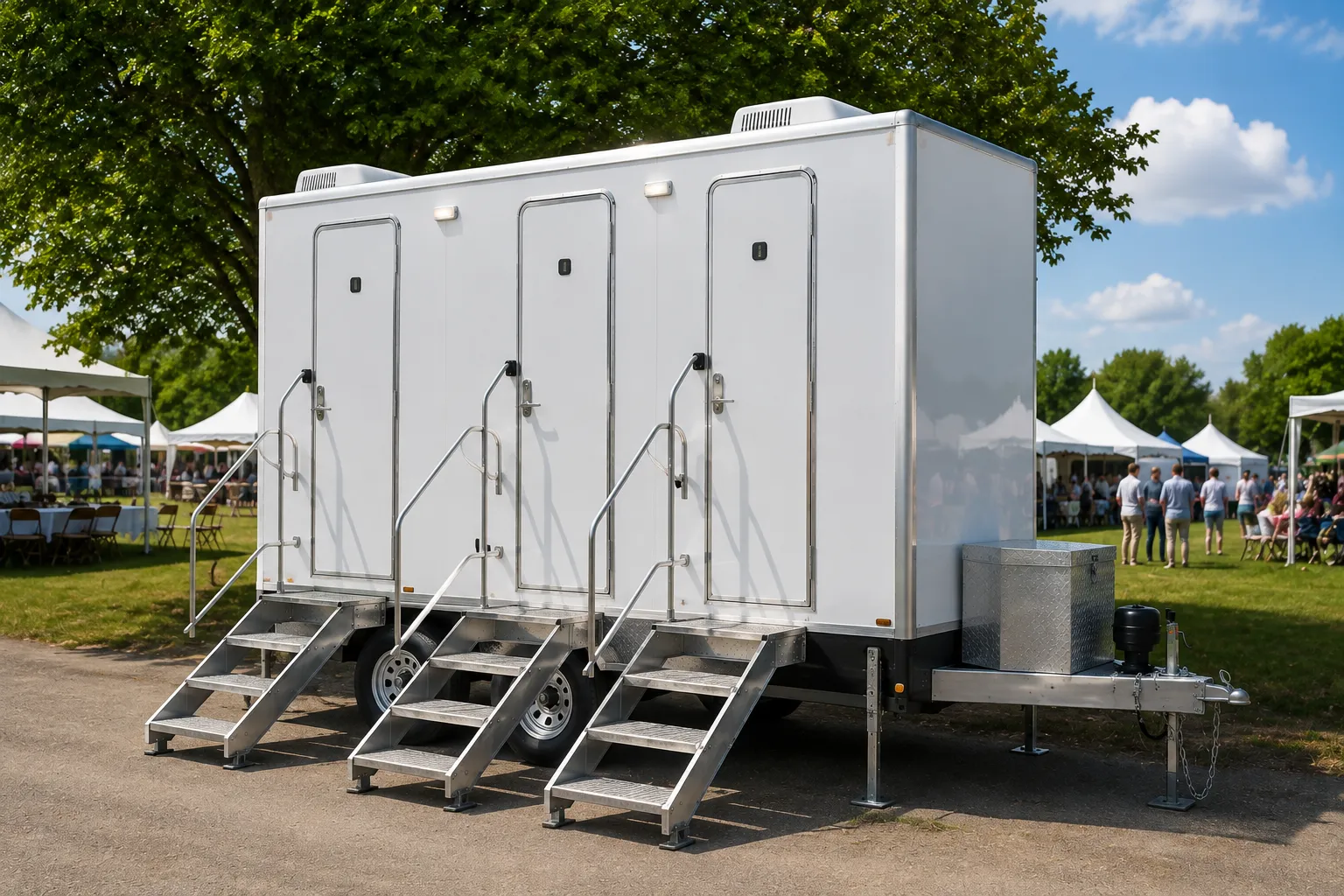
Yes. Once a tank fills past capacity, wastewater has nowhere to go but back up through the lowest drains in the house, usually a basement floor drain or tub. This is the most urgent version of a warning sign and it is a plumbing emergency, not a maintenance reminder. If it happens on a Columbus jobsite rather than a home, OSHA 1926.51(c) still requires adequate toilet facilities for workers regardless of what is happening with the building's own plumbing, so a temporary unit from portable toilet rental or portable restroom rental keeps a crew working while the septic issue gets fixed. For a house under active renovation, pairing a standard porta potty rental with the septic repair avoids shutting the job down entirely. Homeowners hosting an event with a failing system should look at event restroom rental rather than risk the plumbing during a party. Construction crews facing the same issue at a commercial site can check construction site services for the full sanitation lineup, and septic pumping service is the direct fix once the backup itself is cleared.
How much does septic pumping cost in Columbus?
Pricing depends on tank size and access, and day-rate septic service typically runs in the range covered on the septic tank pumping cost page. Weekend service costs more than a scheduled weekday visit, so book ahead when you can.
What causes a septic tank to fill up faster than expected?
Extra household members, added bathrooms, laundry overuse and heavy rain infiltration all speed up how fast a tank fills. Columbus averages 78.5 days a year with at least 0.10 inch of rain, which adds groundwater pressure on older systems.
Is a bad smell always a sign of a full tank?
Not always, but it is common. A sewage odor near the tank lid or drain field after rain is one of the clearest signs listed above, especially paired with slow drains.
Do I need a permit to have my septic tank pumped in Columbus?
The hauler needs registration with the correct local health district, not a homeowner permit. Which district applies depends on whether the property sits in Franklin, Delaware or Fairfield county.
What should I do if my septic tank backs up on a weekend?
Call for emergency septic service immediately and avoid running water until a technician arrives. A short-term toilet rental keeps the household or jobsite functional while repairs happen.

Next step
Get a delivery date
Tell us the address, the dates and the headcount. We size the order and confirm the route.