
How Often Does a Septic Tank Need Cleaning?
The 3 to 5 year window is a starting point, not a rule carved in stone. A larger household pushes more solids into the tank, so families of five or six often land closer to the 3 year mark. A couple in a smaller Columbus home with a bigger tank might stretch to 5 years without trouble, and the same logic applies whether you're weighing how often to pump a septic tank or comparing it against a septic tank cleaning visit. Tank size matters as much as headcount. If you've never had yours pumped and you're not sure how big it is, that's the first thing to find out before guessing at a schedule. Citywide Porta Potty handles septic tank pumping cost estimates and can walk you through what's driving your interval. Waiting until there's a problem costs more than staying ahead of it, and a stuck pump truck on a rainy Ohio afternoon is not how anyone wants to spend a Saturday. Check septic tank warning signs if you're already seeing slow drains.
What Determines Septic Tank Cleaning Frequency?
Three things drive the interval: tank size, household size, and how much water goes down the drain. A 1,000 gallon tank serving four people behaves differently than the same tank serving eight. Garbage disposals, long showers, and back-to-back laundry loads all add volume the tank has to process, which is why septic pumping service crews ask about household habits before quoting an interval. Businesses running a commercial kitchen have a separate concern entirely: a grease interceptor gets pumped once fats, oils, grease and solids reach 25 percent of the liquid depth, which is a completely different clock than a household tank. If that's your situation, look at grease trap pumping instead of a standard residential schedule. For a rural property near Delaware, 24.7 miles north of Columbus, or a farm and agricultural operation, water table and soil type also factor into how the drain field handles overflow between pumpings. Ohio's septage rules run through the Ohio Department of Health sewage treatment system program, which requires haulers to register with the local health district where they work, per Ohio Administrative Code Rule 3701-29-03.
Why Does Pumping Frequency Matter for Columbus Homeowners?
A neglected tank backs up into the house or floods the drain field, and drain field repair costs far more than a pump-out ever will, which is also why sites doing construction site services plan sanitation ahead of ground work. Columbus sees 39.31 inches of precipitation a year on average, per NOAA climate normals for the Columbus airport station, and heavy rain saturates soil around a failing drain field fast. That makes fall or early spring pumping smart timing here, ahead of winter freeze or spring saturation. If you're renovating and taking the house off septic access temporarily, a holding tank rental covers the gap. Homeowners doing major yard work near the tank sometimes need a construction dumpster rental on site too, and if the septic system needs full excavation, a temporary fence rental around the dig site keeps the work area clear, which matters just as much as the pump schedule itself. For anyone unsure whether their system counts as commercial or residential under local rules, checking with the relevant health district before scheduling work avoids registration headaches down the line.
When Should You Call an Emergency Septic Service?
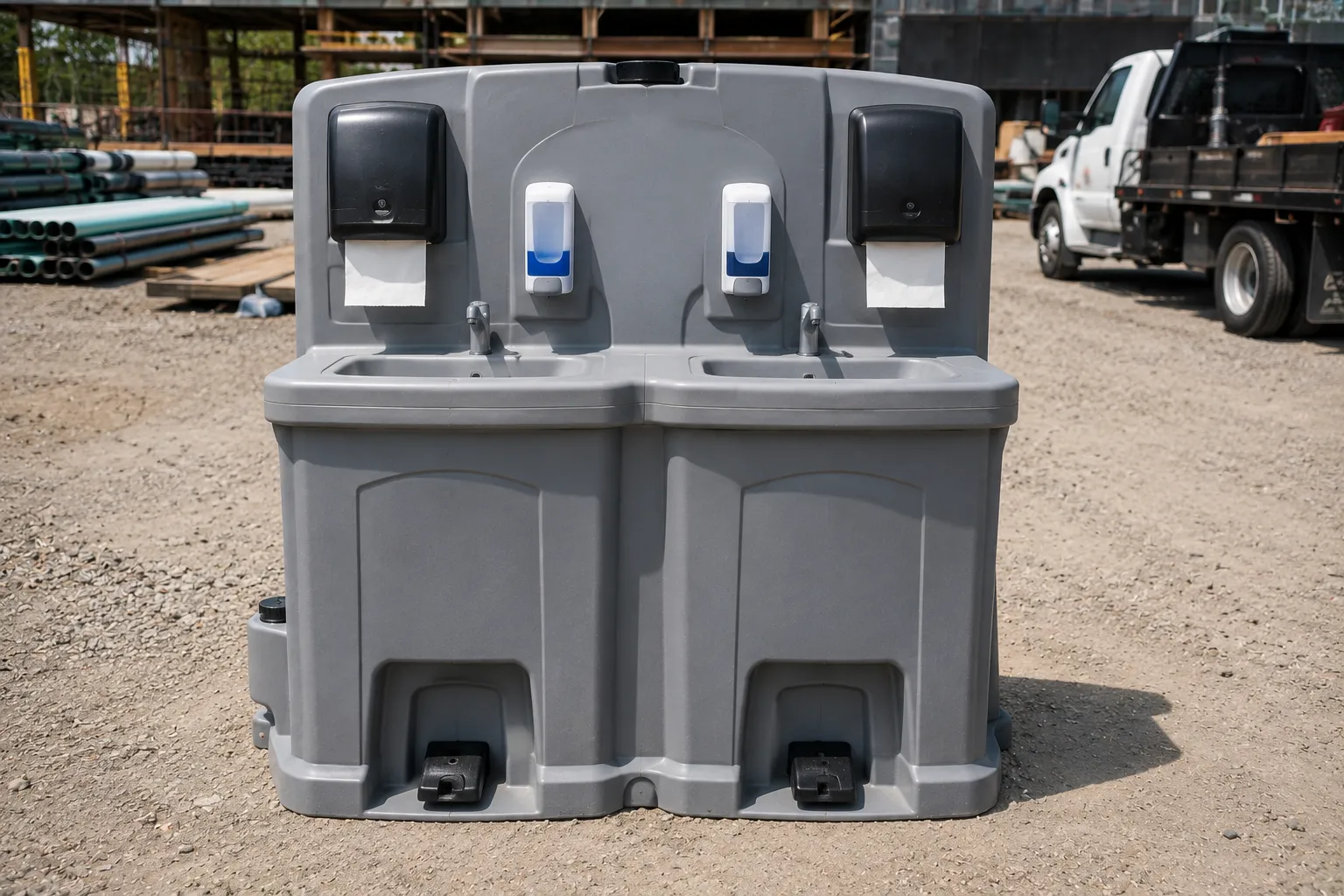
Call immediately if you smell sewage indoors, see standing water over the drain field, or notice toilets draining slowly across the whole house at once. Those are signs the tank is already past capacity, not signs it's time to schedule routine maintenance. Emergency septic service exists for exactly this moment, and waiting even a few days risks water backing into fixtures; in the meantime a portable restroom rental or a handwashing station rental keeps the household functioning. If a backup happens during a home renovation with contractors on site, a home renovation porta potty keeps the crew working while the septic issue gets sorted separately. Property owners near Bexley, 6.2 miles southeast of Columbus, or Upper Arlington, 6.9 miles northwest, face the same emergency math as anyone else in the metro: a full tank does not wait for a convenient weekend, and a disaster relief sanitation setup can bridge a longer outage. If your property sits on a well too, get water tested after any backup event before drinking it again.
How much does septic tank pumping cost in Columbus?
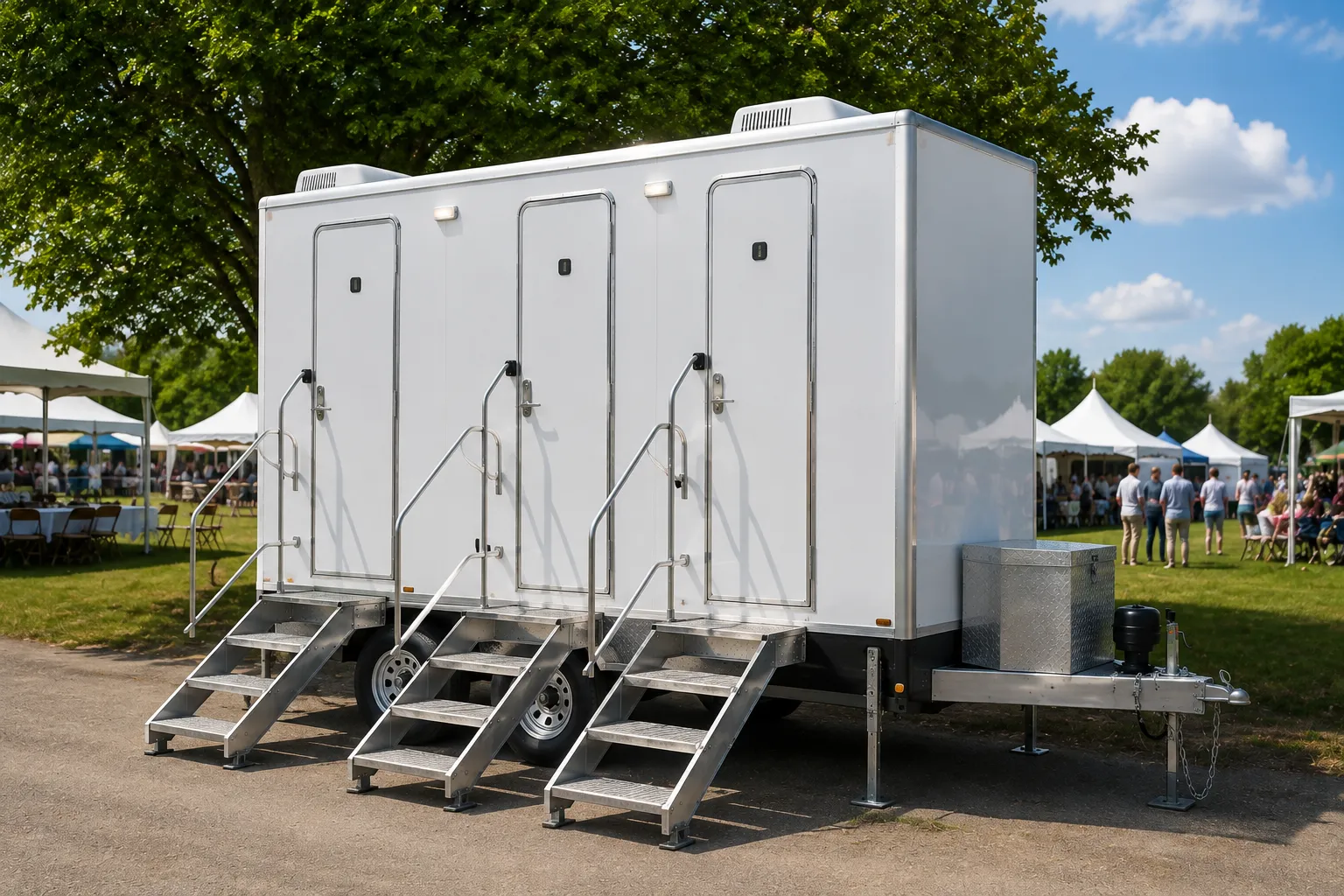
Day-rate septic service in this market runs from 150 to 300 dollars depending on tank access and volume, with weekend service priced separately from standard weekday visits. See septic tank pumping cost for the full breakdown. Larger tanks or difficult access add to the base cost, and the same access issues show up when pricing a restroom trailer rental for a job site without working plumbing.
Can I pump my own septic tank?
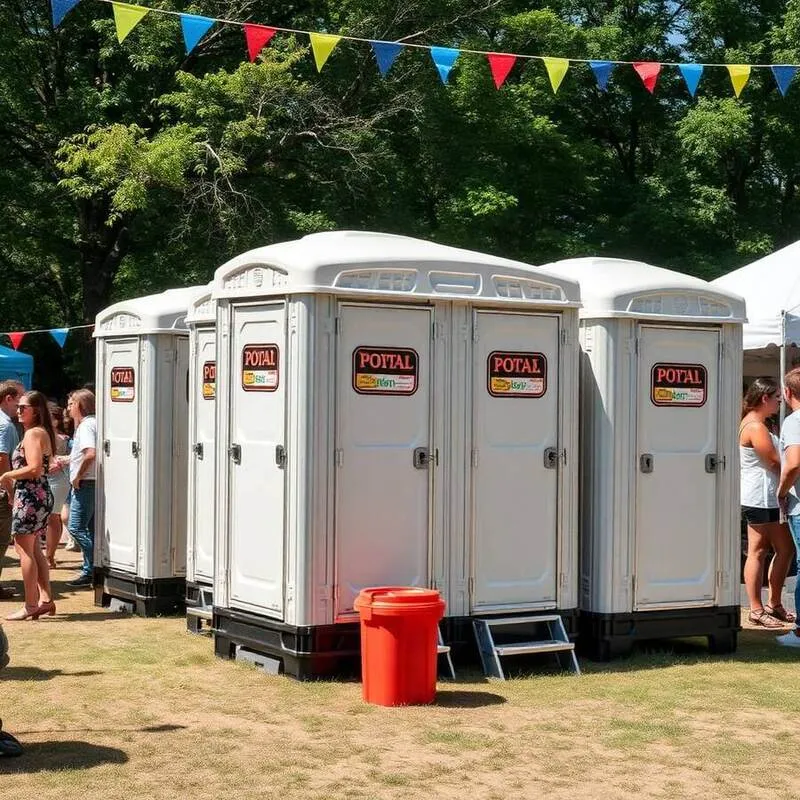
No. Septage hauling in Ohio requires registration with the local health district under Ohio Administrative Code Rule 3701-29-03, and land application sites need a separate annual permit. This isn't a DIY job; call septic pumping service instead, and if you need interim facilities check portable toilet rental options.
Does a garbage disposal affect pumping frequency?
Yes. A garbage disposal adds solid waste volume to the tank, which shortens the interval between pumpings. Households with heavy disposal use often need service closer to every 3 years rather than 5. Watch for septic tank warning signs between visits.
What happens if I never pump my septic tank?
Solids build up until they overwhelm the drain field, leading to backups inside the house and possible drain field failure. Repair or replacement costs far more than routine septic tank cleaning ever does, the same way skipping dumpster rental cost planning on a job site leads to bigger cleanup bills later. Regular pumping is cheaper every time.
Is septic pumping different for a business than a home?
Often, yes. Commercial kitchens need grease interceptor service on a fats-oils-grease schedule rather than a household timeline, and larger commercial systems may see heavier daily volume. Check grease trap pumping if you run a food service operation in Columbus.
Next step
Get a delivery date
Tell us the address, the dates and the headcount. We size the order and confirm the route.